

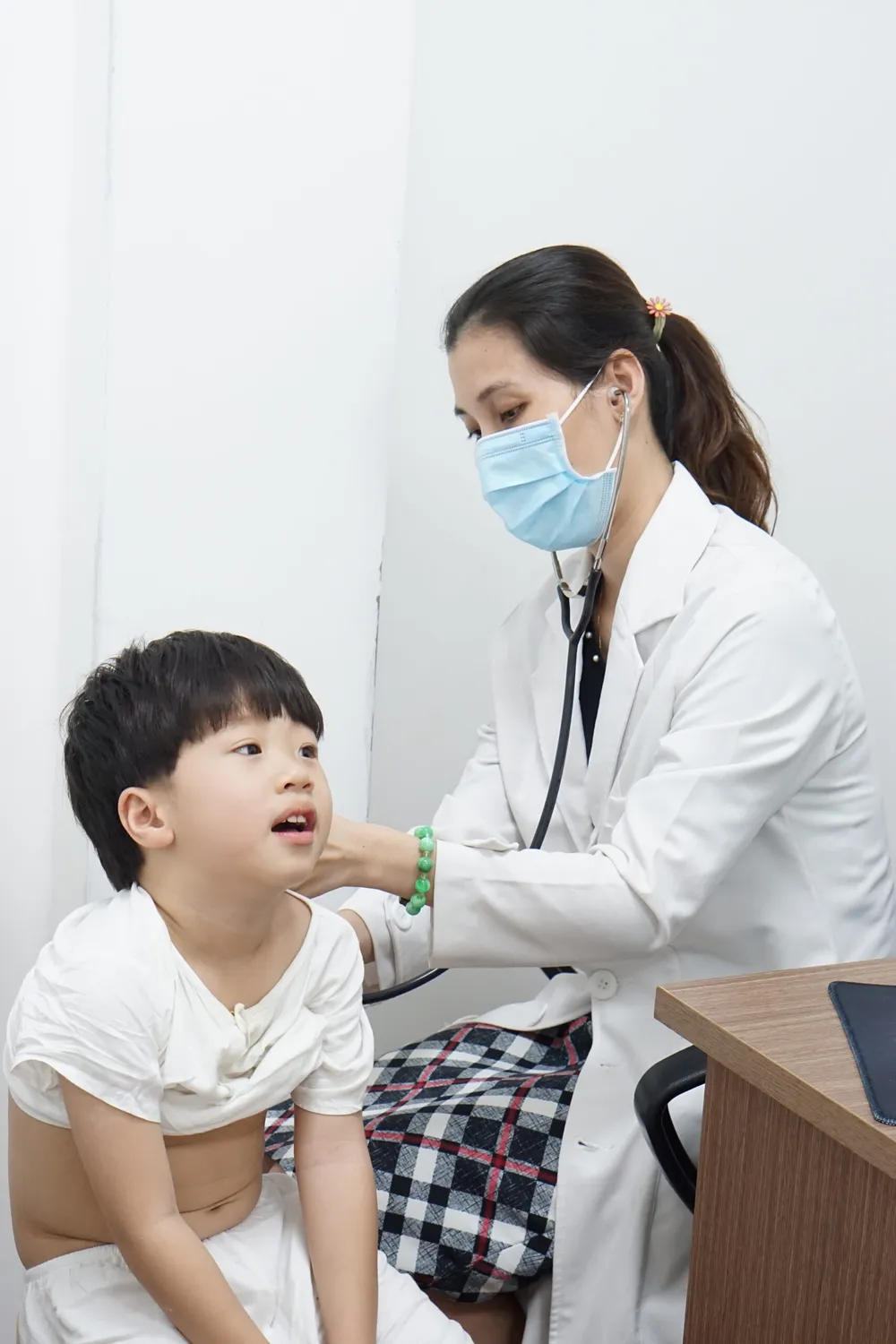
Fever is one of the most common reasons parents seek medical attention for their children — and one of the most anxiety-provoking. But fever itself is not a disease. It’s a natural immune response: the body raising its temperature to create an environment less hospitable to pathogens and to activate immune defenses.
Knowing how to assess your child’s fever — and recognizing the signs that warrant immediate medical attention — is an essential parenting skill.
What Temperature Counts as Fever?
| Range | Classification |
|---|---|
| 36.1°C – 37.2°C (97°F – 99°F) | Normal |
| 37.3°C – 38°C (99.1°F – 100.4°F) | Low-grade fever |
| 38.1°C – 39°C (100.5°F – 102.2°F) | Moderate fever |
| 39.1°C – 40°C (102.3°F – 104°F) | High fever |
| > 40°C (> 104°F) | Very high fever — seek medical care |
For children under 3 years old, rectal temperature measurement is the most accurate. Axillary (armpit) or ear thermometers are acceptable for older children.
Signs That Require Immediate Emergency Care
Go to the emergency room immediately — do not wait — if your child has:
Any Age — Emergency Warning Signs
- Seizures (convulsions), even if brief — always requires evaluation
- Difficulty breathing: rapid breathing, labored breathing, nostril flaring, ribs showing when breathing
- Blue or purple lips, fingertips (cyanosis)
- Unresponsiveness or inability to be roused
- A rash that doesn’t fade when pressed with a glass (possible sign of meningococcal infection)
- Stiff neck with fever and sensitivity to light (possible meningitis)
Based on Age
- Under 3 months old: Any temperature ≥ 38°C (100.4°F) — even if the baby seems well
- 3–6 months old: Temperature ≥ 38.5°C (101.3°F)
- Any age: Fever over 5 days, or fever that returns with sudden high temperature after improving
Managing Fever at Home
When your child has a moderate fever (38–39°C) but is alert, drinking fluids, and showing no emergency signs, home management is appropriate.
Fever-Reducing Medication
Paracetamol (Acetaminophen)
- Safe for children from 3 months old
- Dose: 10–15 mg/kg body weight
- Frequency: every 4–6 hours as needed (maximum 4–5 doses in 24 hours)
Ibuprofen
- For children 6 months and older only
- Dose: 5–10 mg/kg body weight
- Frequency: every 6–8 hours as needed
Never use Aspirin in children — it is associated with a rare but dangerous condition called Reye’s syndrome.
Note: Fever-reducing medications make your child more comfortable, but they don’t treat the underlying cause. If your child is not particularly distressed by the fever, medication isn’t always necessary.
Supportive Care
- Fluids: Offer water, diluted fruit juice, oral rehydration solution, or breast milk frequently. Fever increases fluid loss through sweating and breathing.
- Dress lightly: One layer of light clothing is sufficient. Do not bundle the child in blankets.
- Room temperature: Keep the room comfortable — not hot, not cold.
- Tepid sponging: A lukewarm (not cold) damp cloth on the forehead can provide comfort, but is not necessary if medication is working.
What Not to Do
- Do not use cold water baths or ice packs to reduce fever — this can cause shivering, which actually raises core temperature
- Do not rub the child with alcohol
- Do not force the child to eat if they have no appetite — fluids are more important
- Do not alternate paracetamol and ibuprofen routinely without medical advice
Febrile Seizures: What Every Parent Should Know
Febrile seizures (convulsions triggered by rapid temperature rise) occur in 2–5% of children aged 6 months to 5 years and are usually benign. They’re frightening to witness, but they almost never cause lasting harm.
If your child has a febrile seizure:
- Turn the child on their side to prevent choking on saliva or vomit
- Do not restrain the child’s movements
- Remove objects nearby that could cause injury
- Do not put anything in the mouth
- Time the seizure — note when it starts and ends
- Seek medical evaluation afterward — always
If the seizure lasts more than 5 minutes, call emergency services immediately.
At Ky Hoa Medical Center, our Pediatrics department manages fever evaluation and treatment in children of all ages, including blood tests and guidance on appropriate follow-up care. Contact 028.3868.1097 to speak with our team.